Moroccan culture is a fascinating tapestry woven from centuries of history, diverse landscapes, and rich heritage. At the very heart of this vibrant identity lies the harmonious coexistence of Amazigh (Berber) and Arab traditions.
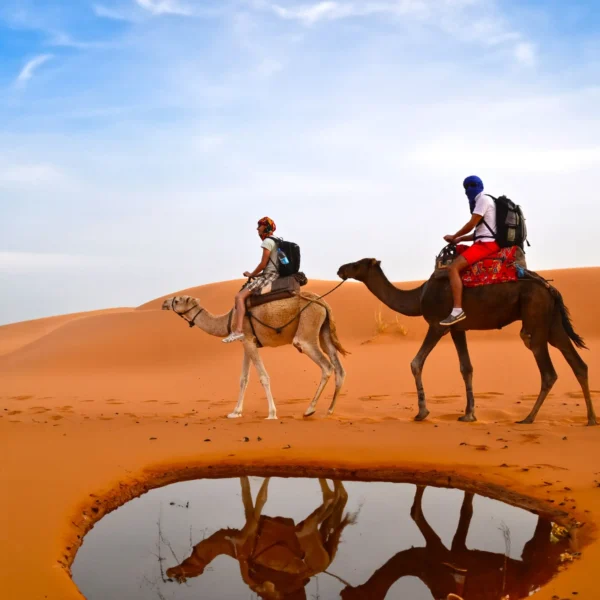
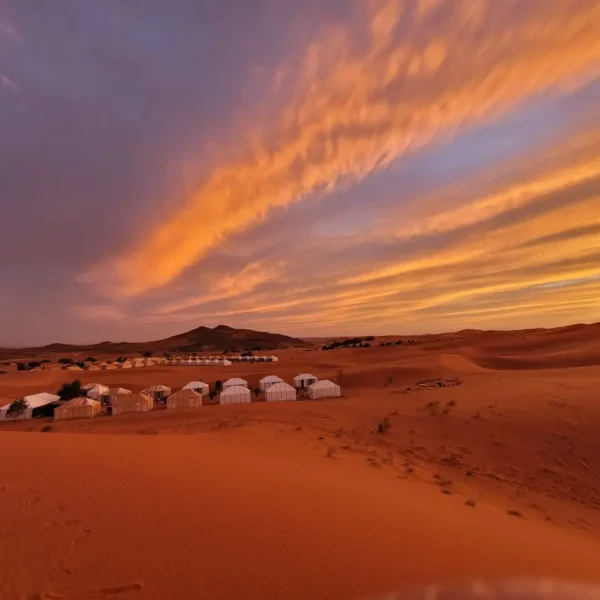
From the ancient stone villages of the High Atlas Mountains and the golden dunes of the Sahara to the bustling medinas of Imperial cities like Marrakech and Fes, Morocco’s population reflects a unique cultural mosaic. The Indigenous Amazigh people, with their deeply rooted customs, craftsmanship, and timeless hospitality, merge seamlessly with the rich spiritual, architectural, and linguistic influences introduced by Arab culture.
In this article, we’ll explore the distinct traditions of both the Amazigh and Arab communities, how their heritage shapes daily life in Morocco, and what makes experiencing this authentic diversity so unforgettable for travelers.
The Amazigh, historically known as the Berbers, are the true indigenous inhabitants of Morocco and the wider North African region. Their roots in this land date back more than 10,000 years, long preceding the arrival of Romans, Phoenicians, Arabs, or European powers. As Morocco’s first people, the Amazigh built the foundational pillars of the nation’s cultural identity, developing a unique way of life perfectly adapted to the country’s varied geography—from the rugged Atlas Mountains to the desert oases of the Sahara.

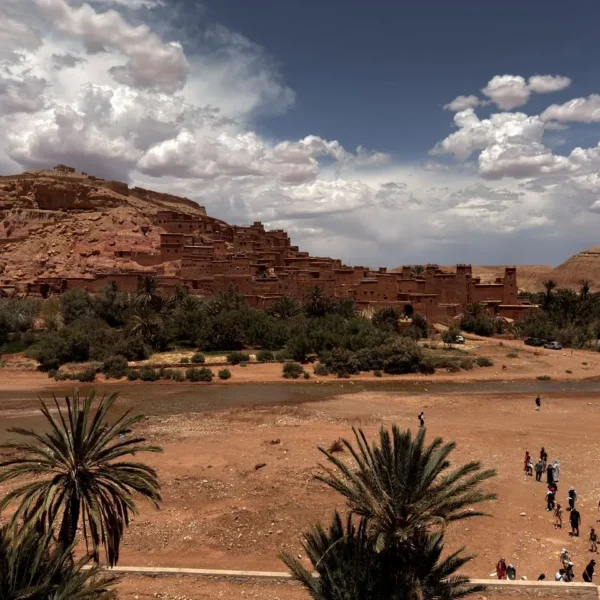
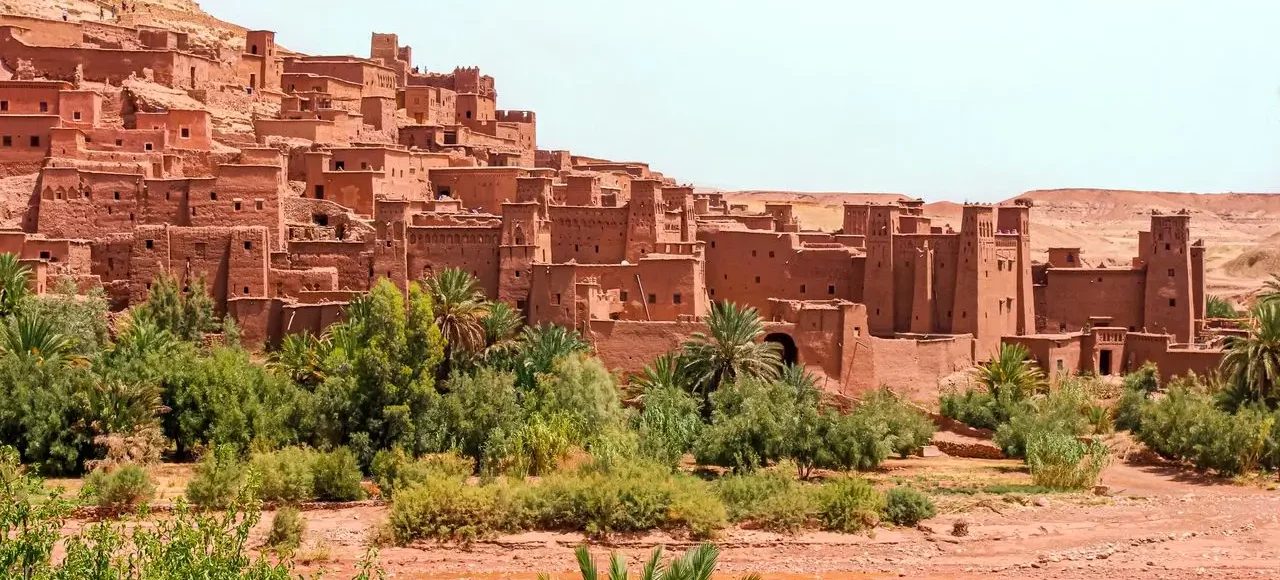
Centuries before modern urbanization, Amazigh tribes established thriving communities centered around farming, nomadic pastoralism, and distinctive earthen architecture, including magnificent fortified villages known as Kasbahs and Ksour. Their deep relationship with nature, honor for tribal unity, and rich traditions of hospitality continue to define Moroccan society today.
At the heart of their enduring heritage is Tamazight, the native language written in its ancient and distinct alphabet, Tifinagh. Recognized today as an official national language, Tamazight is more than a means of communication; it is a living symbol of resilience, oral poetry, and timeless cultural pride. Today, the indigenous Amazigh spirit remains the vibrant core of Morocco’s history and everyday life.
A powerful symbol of this identity is the Amazigh flag, created to represent the unity and geographic scope of the Amazigh people across North Africa. The flag features three vibrant horizontal stripes: blue at the top representing the Mediterranean Sea and the Atlantic Ocean; green in the middle signifying the fertile mountains and nature; and yellow at the bottom honoring the expansive Sahara Desert. At its center lies a bold red symbol—the letter Yaz (ⵣ) from the ancient Tifinagh alphabet. Painted in red to reflect life and courage, this symbol represents the “Free Man” (Imazighen), depicting a human figure standing with arms raised to the sky, symbolizing freedom, dignity, and a profound connection to the land.

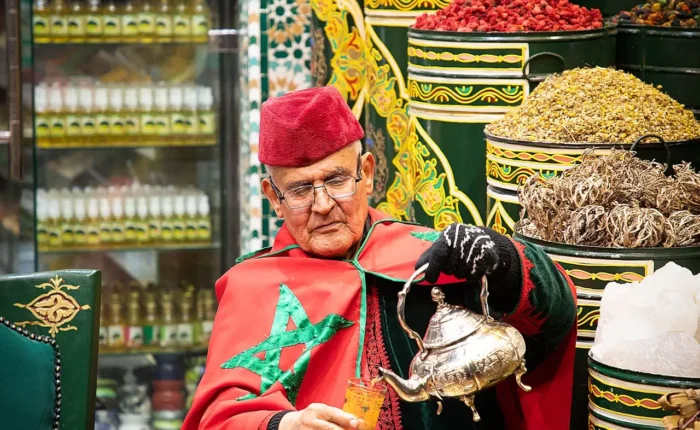
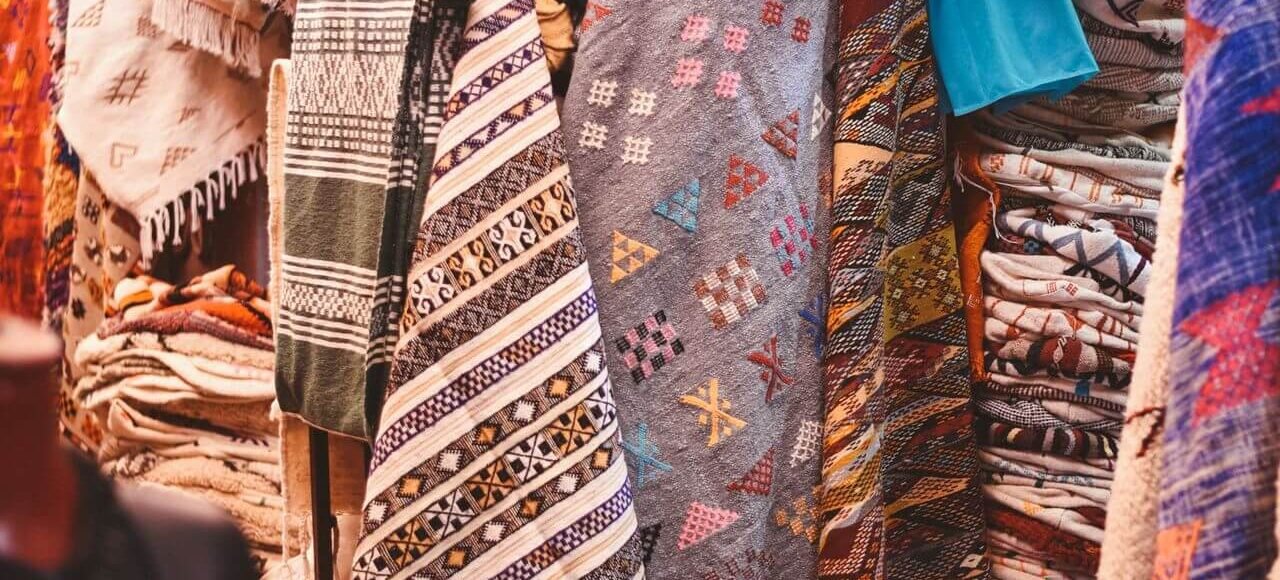
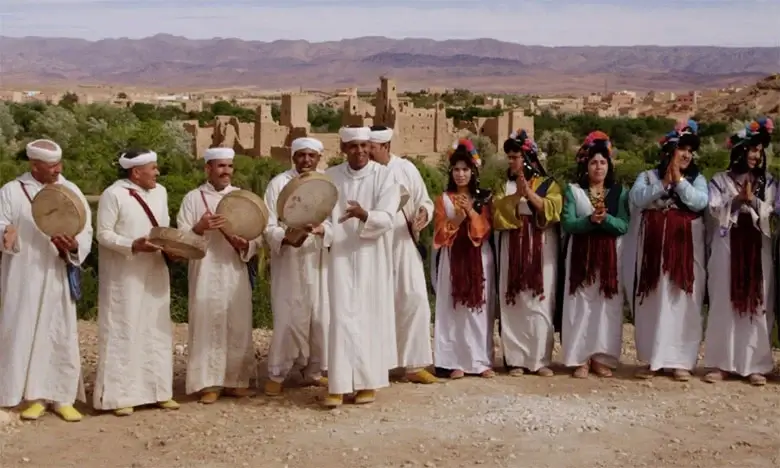
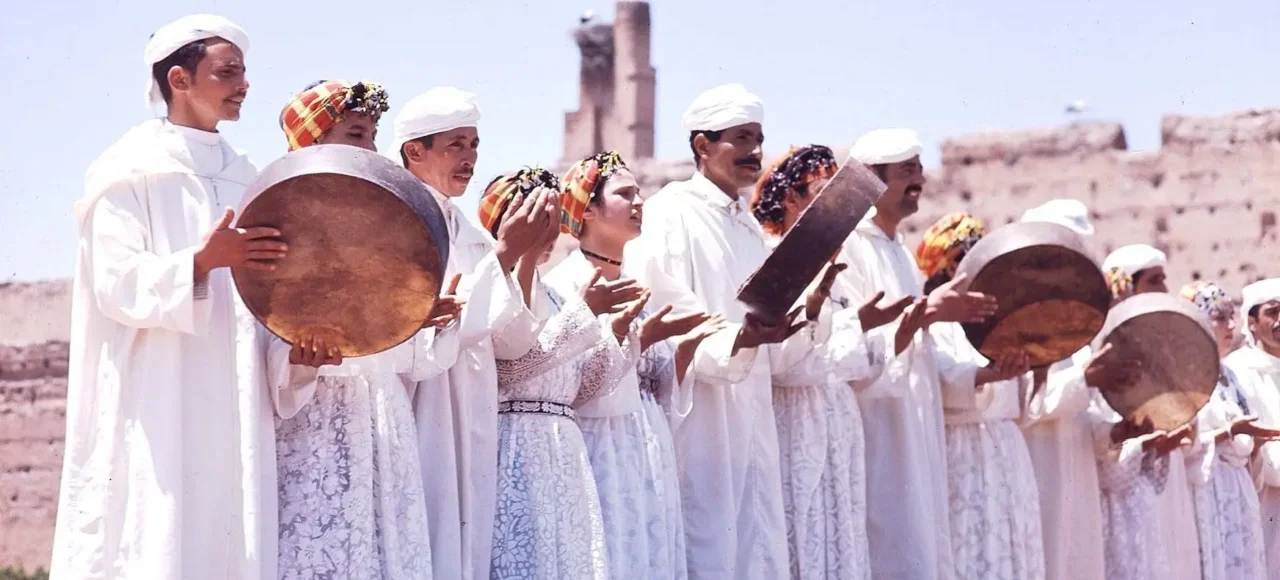
Amazigh culture is a vibrant blend of artistic heritage, deep-rooted customs, and warm hospitality that shapes everyday life in Morocco. Known for their legendary generosity, Amazigh communities welcome guests with freshly brewed mint tea and home-baked bread, treating hospitality as a sacred value. This cultural richness is also expressed through world-renowned craftsmanship, such as hand-woven wool carpets decorated with geometric patterns, silver jewelry, and traditional pottery. Beyond art, music and poetry play a central role in preserving their history; traditional music like Ahwash and Ahidus, accompanied by drums and rhythmic dancing, brings communities together during festivals and celebrations, passing stories from one generation to the next.
The arrival of Arab civilization and Islam in the 7th century marked a transformative era in Morocco’s history. Islam quickly became a unifying pillar for the nation, blending naturally with existing Amazigh traditions to shape a distinct Moroccan culture. This cultural fusion gave rise to historic dynasties, vibrant imperial cities, and a rich legacy of Islamic scholarship, art, and spirituality that continues to define the kingdom’s identity today.
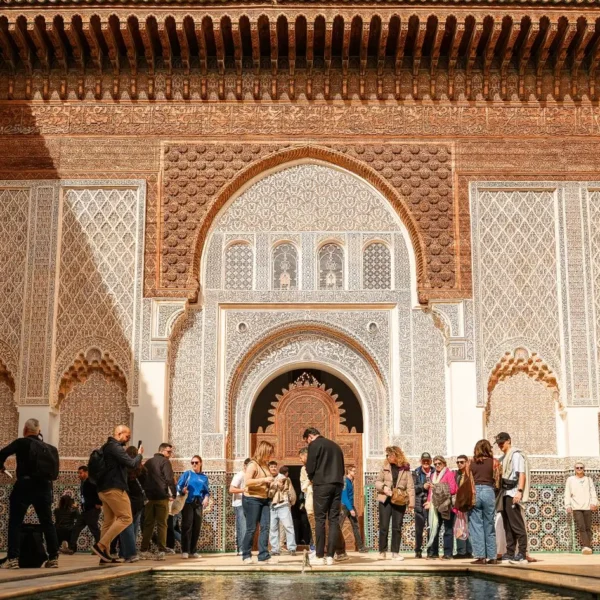
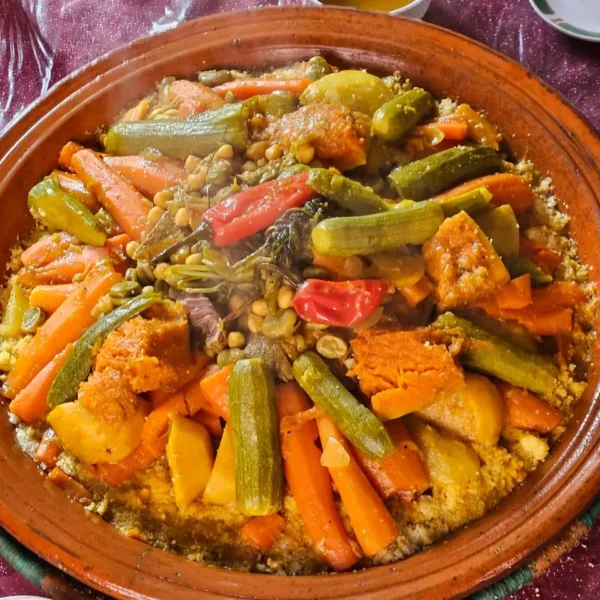
Arab heritage strongly influences Morocco’s daily life, language, and architectural landscape. The Moroccan dialect, Darija, is a unique linguistic blend where Arabic serves as the foundation, beautifully woven with Amazigh words and phrases. In terms of design, Arab-Islamic artistry is reflected in intricate geometric zellige tiles, carved arches, and serene riads found throughout medinas like Fes, Marrakech, and Meknes. Together with rich culinary traditions like aromatic tagines and festive couscous, this heritage forms an integral part of Morocco’s enduring charm.
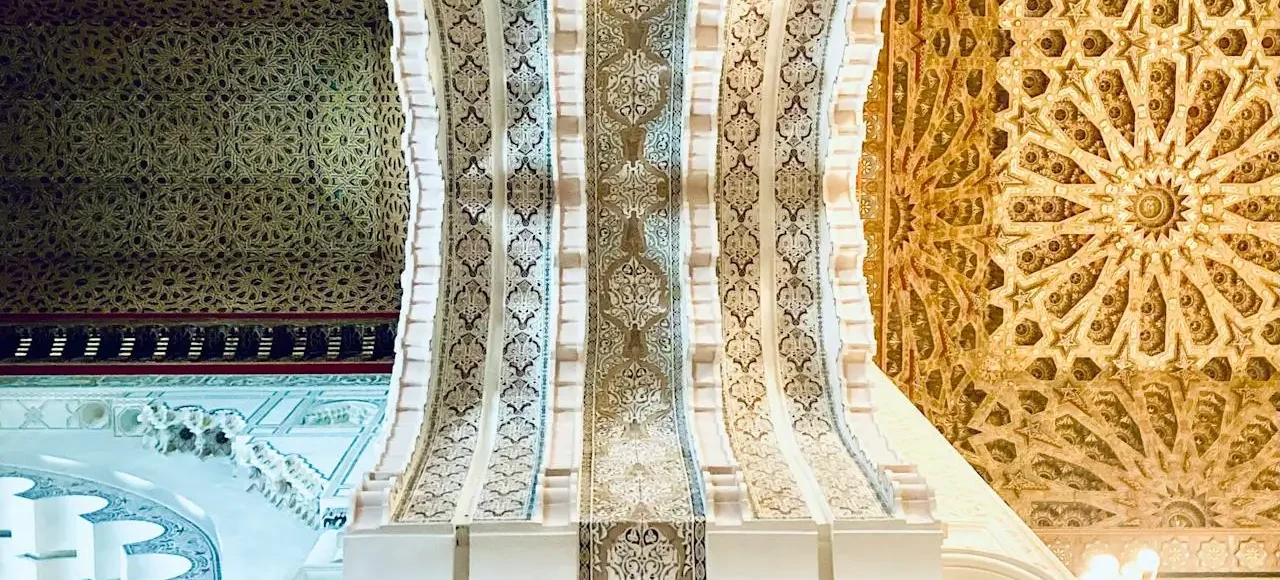
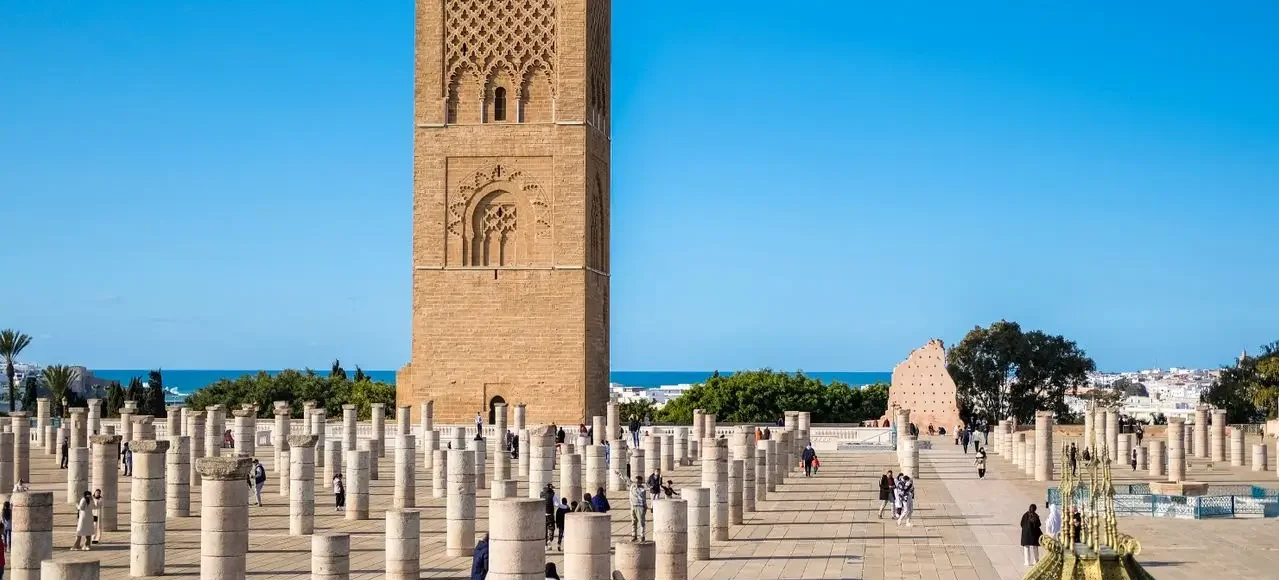
Moroccan architecture is a stunning blend of Amazigh, Arab, and Andalusian styles. Walking through the ancient walls of Imperial cities like Fes, Marrakech, Meknes, and Rabat, visitors are instantly transported back in time. The historic medinas are famous for their narrow winding streets, traditional houses with inner courtyards (Riads), and majestic city gates (Babs).
Every detail in Moroccan building reflects incredible craftsmanship. Intricate Zellige (colorful geometric tilework), hand-carved plaster, and ornate cedar wood ceilings decorate mosques, historical schools (Madrasas), and palaces. This unique architecture creates a peaceful atmosphere hidden behind simple exterior walls, showing the true beauty of Moroccan living traditions.

Moroccan music and performing arts bring the country’s rich cultural heritage to life. Across regions, traditional music reflects a deep union of Amazigh rhythms and Arab-Andalusian melodies. From the energetic drum beats and foot-stomping of Ahwash and Ahidus in the Atlas Mountains to the spiritual Gnawa rhythms in Essaouira, music serves as a living storyteller that brings communities together during festivals, weddings, and daily celebrations.
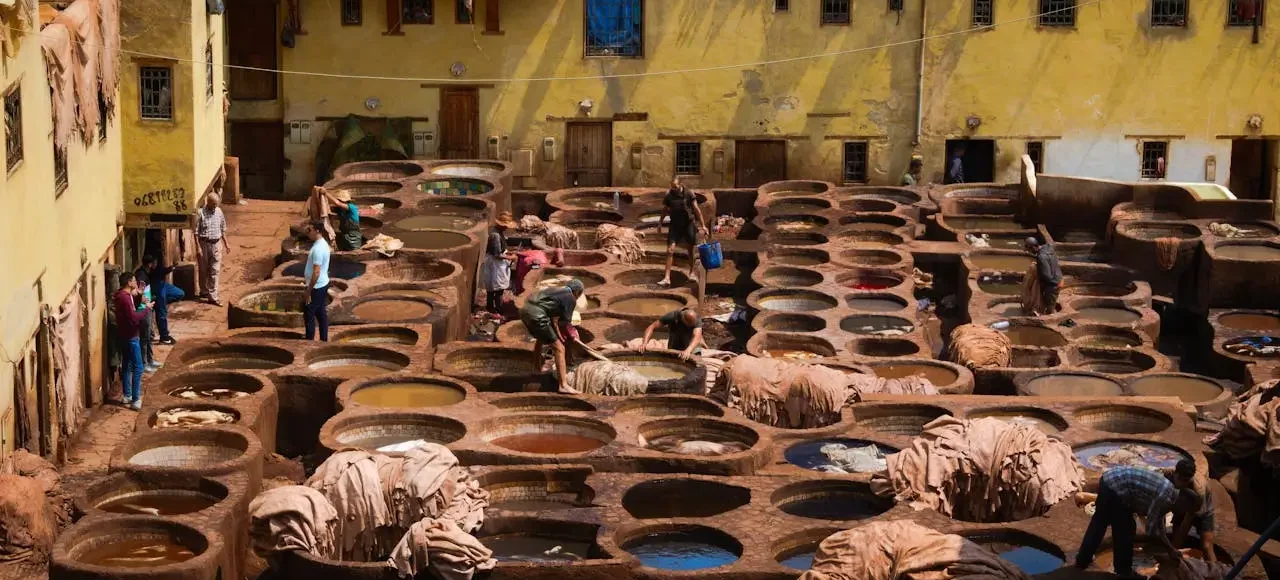
In the heart of every Moroccan city and village, local life revolves around bustling markets (Souks). Master artisans (Maâlems) preserve centuries-old craftsmanship, creating hand-woven carpets, intricate silver jewelry, leather goods, and hand-carved woodwork. Exploring these colorful souks offers travelers an authentic glimpse into daily Moroccan life, where rich heritage and timeless artisan traditions meet.
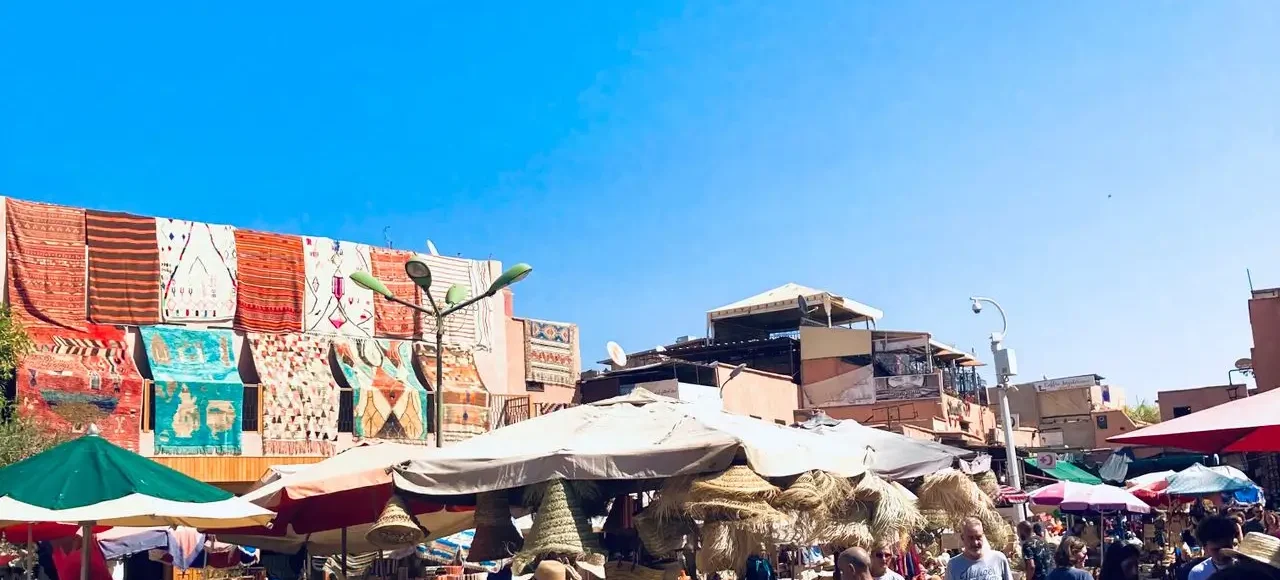
Moroccan identity is not defined by a single story, but by a rich tapestry woven over thousands of years. The harmonious blending of Amazigh indigenous heritage and Arab-Islamic traditions has created a culture that is both deeply rooted in history and warmly welcoming to the world.
From the majestic peaks of the High Atlas to the bustling alleys of ancient medinas, every landscape, rhythm, dish, and craft tells a story of unity, resilience, and hospitality. Exploring Morocco is more than just a journey across stunning landscapes—it is an unforgettable encounter with an enduring spirit and a vibrant living heritage that stays with you forever.