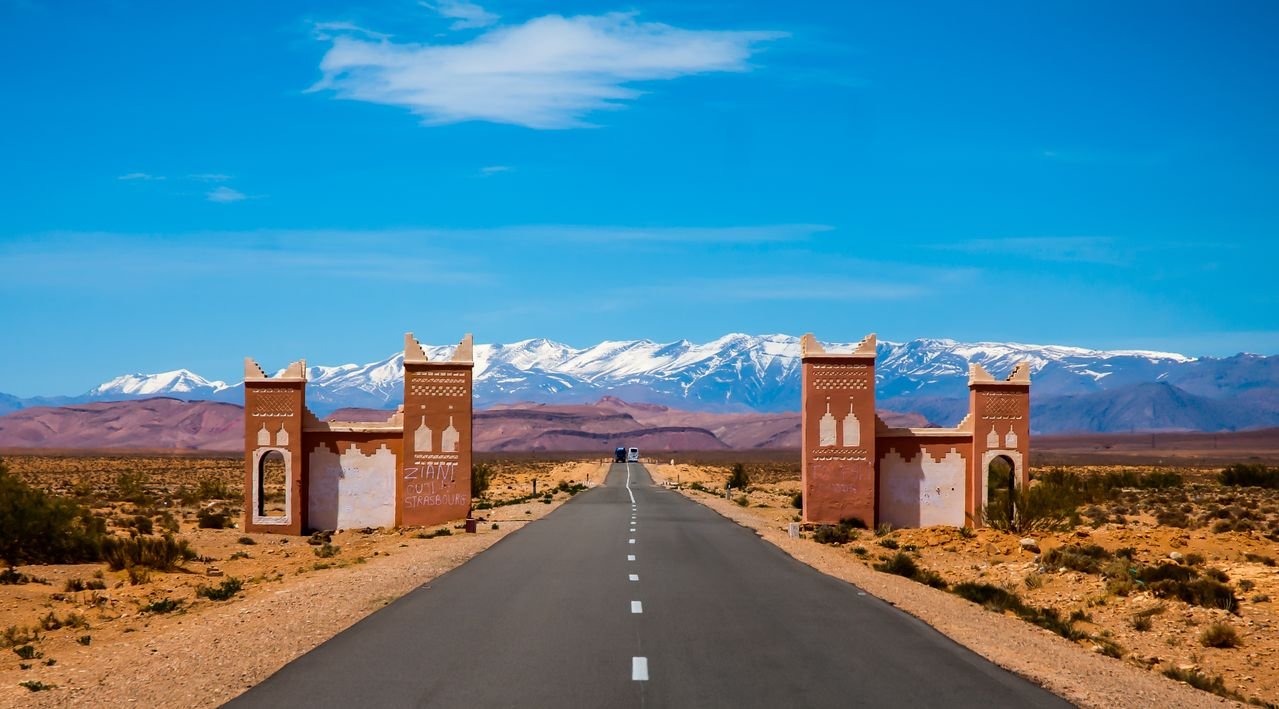
Morocco is a country of striking contrasts, where snow-capped Atlas peaks overlook golden desert dunes, and centuries-old imperial cities sit just hours away from breezy Atlantic coastlines. Because of this rich geographical diversity, answering the question “When is the best time to visit Morocco?” depends entirely on where you want to go and what you plan to experience.
While spring and autumn are widely considered the sweet spots for traveling across the entire country, every season in Morocco holds its own unique charm—from crisp, quiet winter days in the Sahara to vibrant summer festivals along the coast.
To help you design an unforgettable journey without running into unexpected weather extremes or overwhelming tourist crowds, this guide breaks down Morocco’s climate, regional nuances, and cultural highlights month by month.
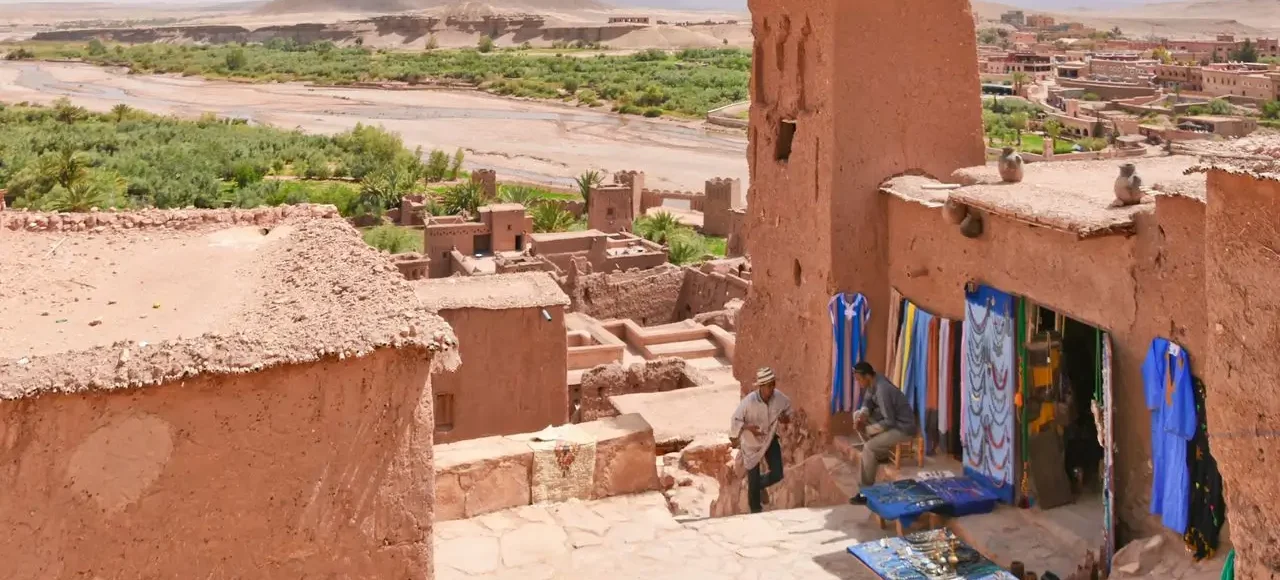
To make the most of your trip, it helps to understand how the travel calendar shifts throughout the year across different regions of the country.
Peak Season (Spring: March to May & Autumn: September to November): These months bring the most balanced weather nationwide. Days are warm and dry, while evenings remain pleasantly cool. It is the absolute best time for exploring imperial cities, trekking in the High Atlas, and enjoying camel excursions in the Sahara Desert without facing extreme temperatures.
Shoulder Season (Winter: December to February): Winter in Morocco offers sunny, mild daytime temperatures along the Atlantic coast and in southern inland valleys. However, desert nights can plunge near freezing, and higher altitudes in the mountains experience snow. It is an ideal season for budget travelers and those looking to explore popular attractions with fewer crowds.
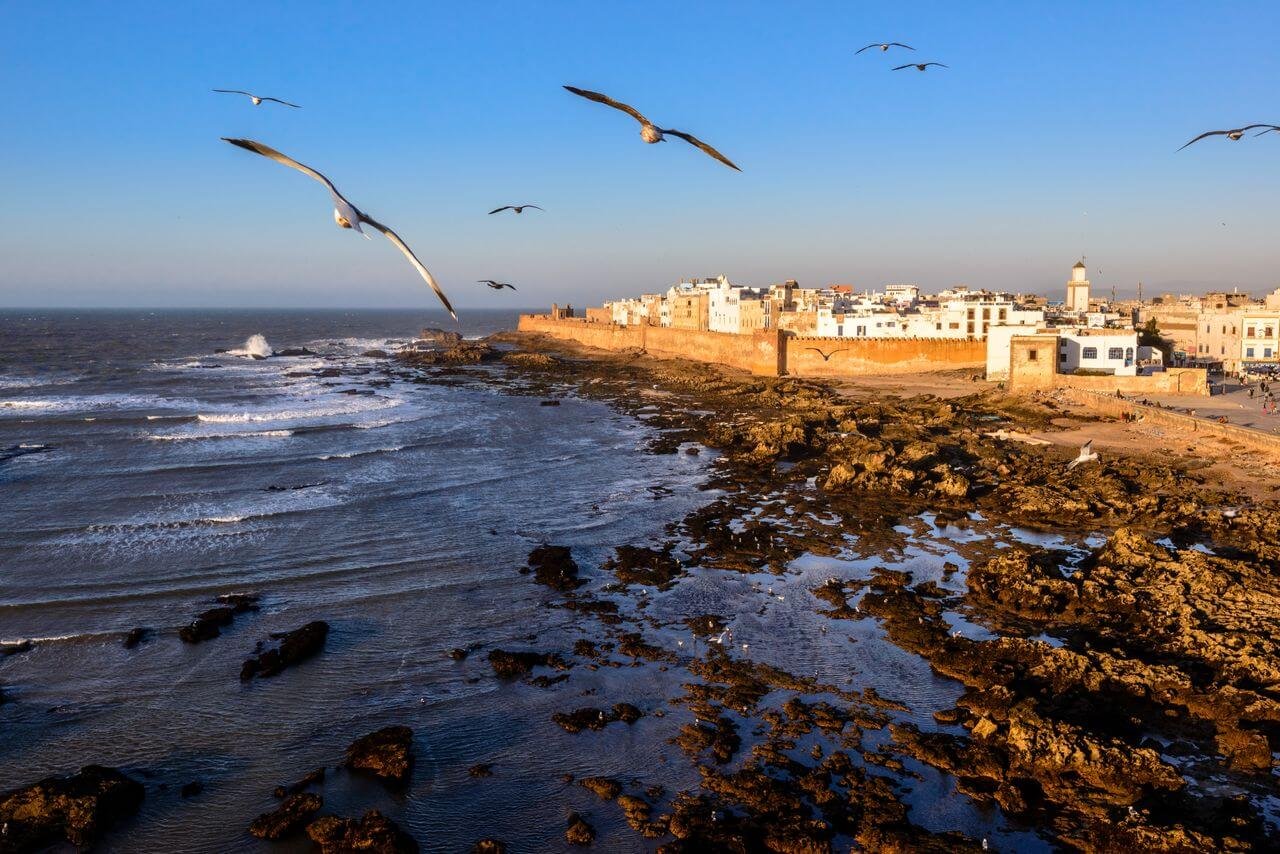
Low Season (Summer: June to August): Summer brings intense heat to the desert and southern inland cities like Marrakech and Fes, where temperatures frequently surpass 40°C (104°F). Conversely, coastal destinations such as Essaouira, Tangier, and Taghazout enjoy refreshing ocean breezes, making summer the prime season for beach getaways and water sports.
January is the coolest month of the year, making it ideal for travelers who prefer clear winter sunshine and quieter tourist sites.
Weather: Mild along the coast (17°C–19°C), but cold in inland regions and desert nights.
Where to Go: Merzouga Desert and the southern oasis valleys.
Pro Tip: Pack warm thermal clothing for the evenings, as indoor heating in traditional riads can be limited.
February offers early hints of spring in the south, characterized by blooming almond trees against dramatic mountain backdrops.
Weather: Gradual warming with daytime temperatures around 20°C in southern regions.
Highlights: The Tafraoute Almond Blossom season and exploring Fes or Meknes without peak crowds.
March ushers in the official spring season. The countryside turns vibrant green, and walking through ancient medinas becomes very pleasant.
Weather: Pleasant daytime averages ranging between 21°C and 24°C.
Best For: Marrakech, Chefchaouen, and scenic road trips through the Dades Valley.
April provides arguably the most balanced weather conditions across the entire country, from the northern coast down to the Sahara.
Weather: Warm, dry, and sunny across almost all provinces.
Highlights: High Atlas trekking, desert camel tours, and historic city walking tours.
May brings full warm weather and vibrant cultural gatherings before the intense heat of summer arrives.
Weather: Highs around 26°C–29°C inland, with refreshing breezes along the Atlantic.
Highlights: The annual Rose Festival in Kelaat M’Gouna and coastal exploration in Essaouira.
As inland temperatures rise, June is the month to shift focus toward Morocco’s extensive coastline.
Weather: Hot in interior cities like Marrakech (32°C+), but comfortable along the ocean (24°C–26°C).
Where to Go: Essaouira, Taghazout, and Tangier.
July is hot inland, making mid-day urban sightseeing challenging, but coastal towns thrive with energy.
Weather: Exceeds 40°C in desert areas; coastal spots remain pleasant around 26°C.
Best Activities: Water sports, beach relaxation, and mountain escapes in Ifrane or Imlil.
August is the warmest month of the year, ideal for ocean lovers and vibrant coastal night markets.
Weather: Hot and dry inland; sunny and breezy along northern and Atlantic beaches.
Travel Tip: Reserve coastal accommodations well in advance as domestic travel peaks.
September marks the return of optimal travel conditions as summer heat cools down while ocean waters remain warm.
Weather: Balanced temperatures averaging 26°C–28°C nationwide.
Highlights: Cultural festivals like the Imilchil Marriage Festival in the High Atlas.
October mirrors April with soft lighting, warm days, and cool evenings, making it a favorite for photographers.
Weather: Mild and sunny, perfect for outdoor exploration (23°C–26°C).
Where to Go: Desert expeditions, Todra Gorge, and grand road trips connecting Marrakech to Erg Chebbi.
November brings a quieter pace, lower accommodation rates, and the start of the regional olive harvest.
Weather: Crisp, cool days with occasional light rainfall in northern regions.
Why Visit: Exploring major landmarks and museums without waiting in long queues.
December is a popular choice for holiday travelers seeking winter sun or a memorable New Year’s celebration in the desert.
Weather: Cool days and cold nights nationwide; snow peaks cover the Atlas Mountains.
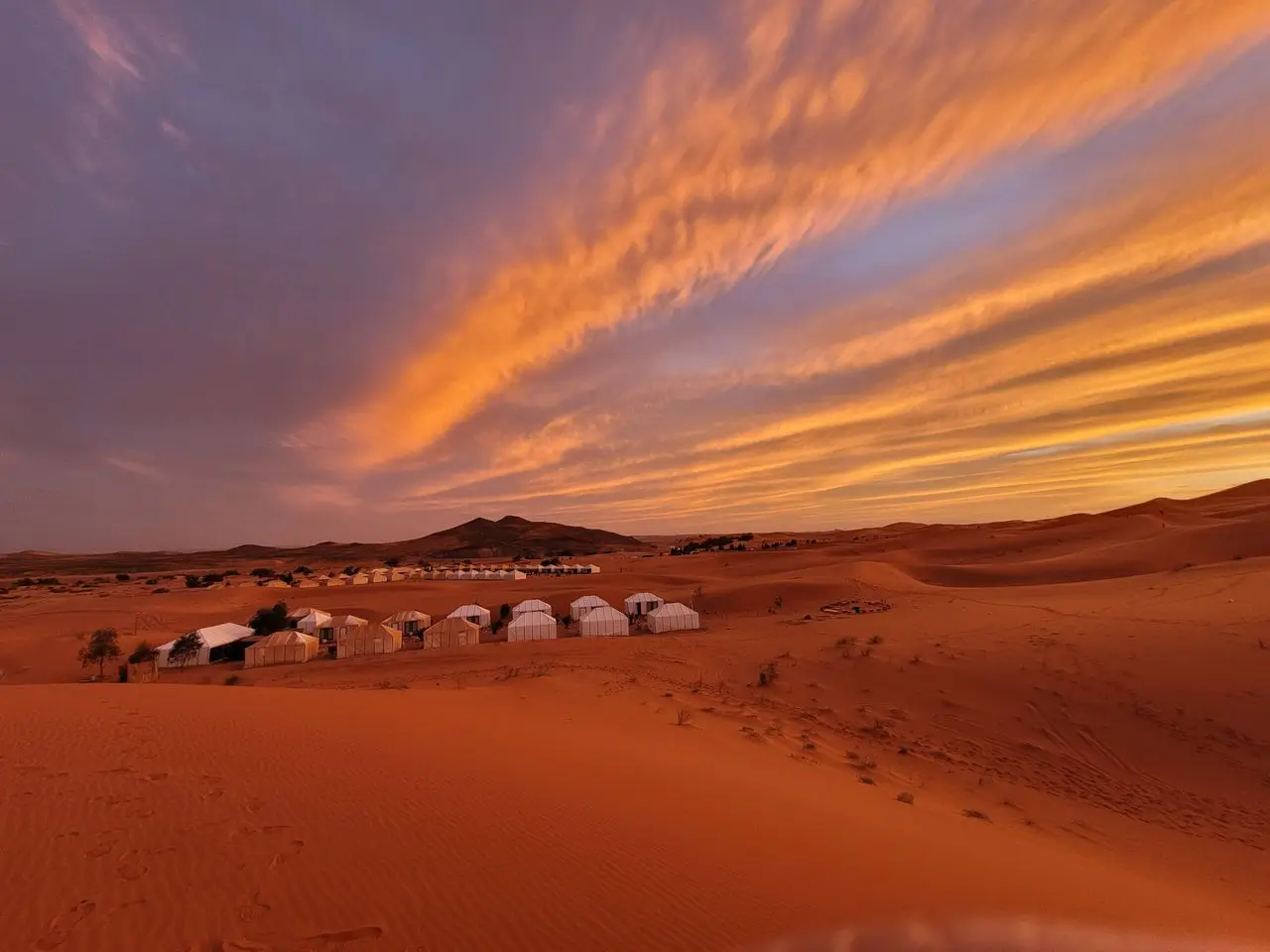
Highlights: Luxury desert camping under clear, star-filled skies.


Because Morocco’s geographical layout ranges from coastal plains to desert dunes and alpine mountain ranges, choosing when to travel depends heavily on what you wish to experience.
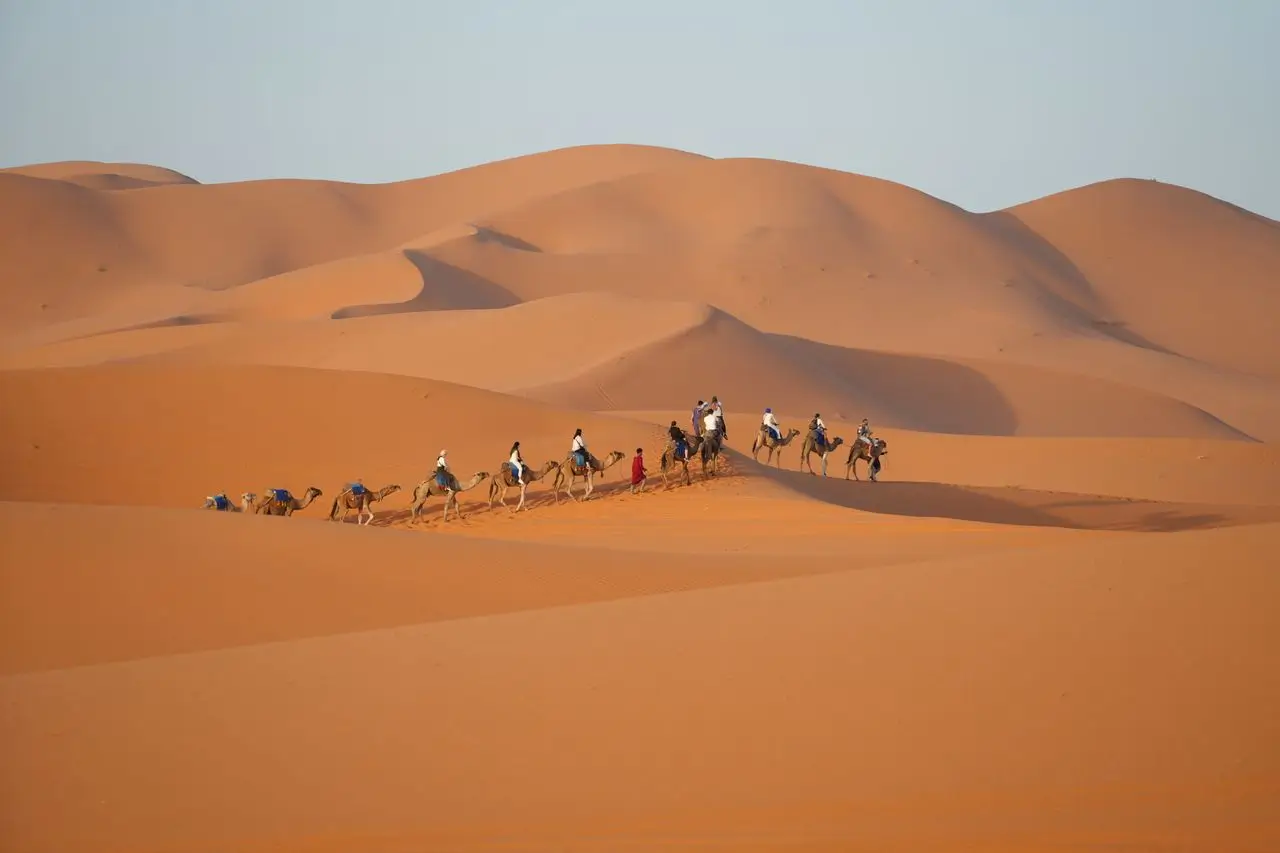
Ideal Months: October to April.
Why: Daytime temperatures in Merzouga and Zagora are pleasantly warm and clear during these months. Mid-summer (June through August) should be avoided for desert trips due to extreme heat exceeding 40°C (104°F).
Ideal Months: April to May and September to November.
Why: Spring and autumn offer mild conditions and clear mountain trails. Winter brings heavy snow to high passes (great for skiing at Oukaïmeden, but challenging for general hiking), while summer can bring afternoon heat along lower valley paths.
Ideal Months: March to May and September to November.
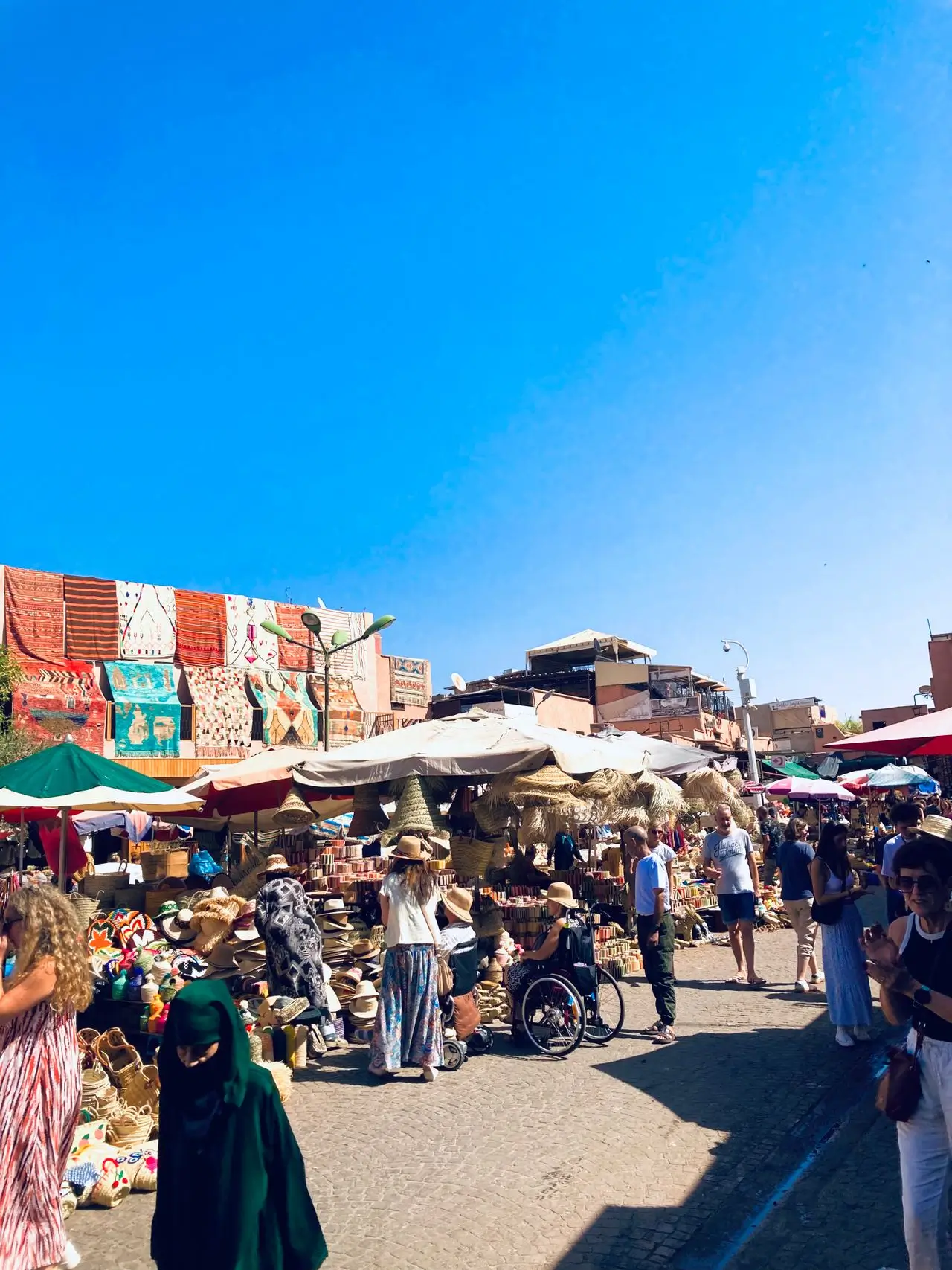
Why: Exploring the historic medinas of Marrakech, Fes, and Meknes requires extensive walking. Spring and autumn provide comfortable temperatures for sightseeing without the heavy summer heat.
Ideal Months: June to September.
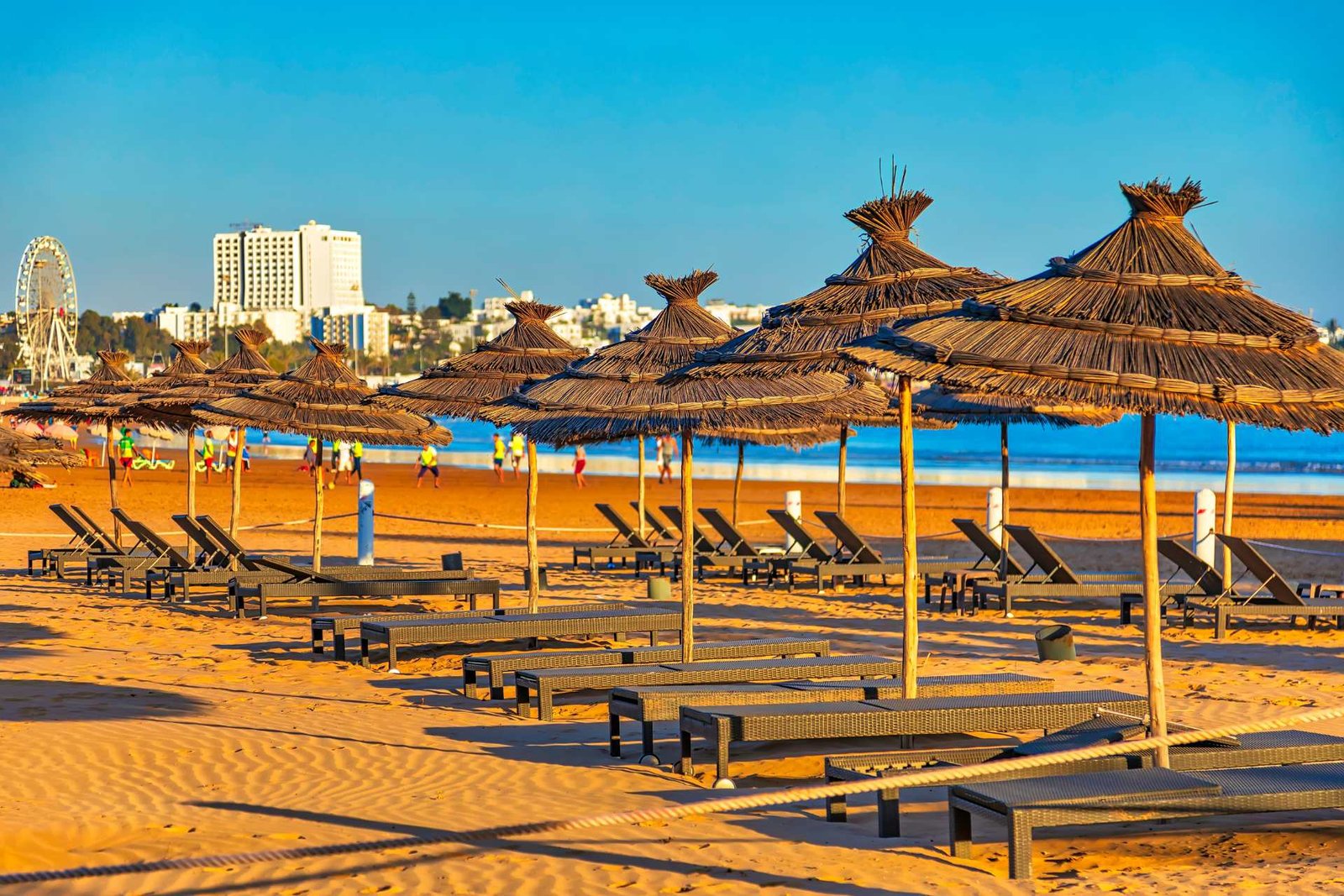
Why: Atlantic breeze keeps coastal destinations like Essaouira, Taghazout, and Tangier comfortably warm during peak summer. This is also the premier season for surfing, water sports, and enjoying coastal culture.


To ensure a smooth journey across Morocco regardless of the season, keep these essential planning tips in mind:
Pack in Layers: Temperatures in Morocco can fluctuate significantly between day and night, especially in desert regions and mountain areas. Always carry a light jacket or thermal layers.
Book Peak Seasons Ahead: Spring (March–May) and Autumn (September–November) see high demand for accommodations and private tours. Secure your bookings early for popular destinations like Marrakech, Fes, and Merzouga.
Consider the Cultural Calendar: Check the dates for Ramadan before traveling, as operating hours for shops, restaurants, and historical sites may adjust during the holy month.
Respect Local Customs: Dress modestly when visiting historical sites, religious landmarks, and rural communities to respect local cultural norms.
There is no wrong time to visit Morocco—only different experiences awaiting you depending on the calendar. Whether you want to trek through snow-capped mountain passes in winter, wander vibrant imperial medinas in spring, enjoy refreshing Atlantic breezes in summer, or star-gaze in the Sahara during autumn, Morocco offers something unique year-round.
By aligning your travel preferences with the regional weather patterns in this guide, you are all set to plan an unforgettable Moroccan adventure.