
Moroccan cuisine is much more than just food—it is a living tapestry woven from thousands of years of history, culture, and hospitality. Situated at the crossroads of Africa, Europe, and the Middle East, the Kingdom of Morocco has swallowed, adapted, and perfected culinary influences from Berber indigenous roots, Arab traditions, Moorish-Andalusian refinement, Ottoman touches, and Mediterranean freshness.
From the vibrant, spice-scented souks of Fes and the sun-drenched coastal harbors of Essaouira to the bustling square of Jemaa el-Fnaa in Marrakech, every region tells its own flavorful story:
The Essence of Moroccan Spices: The magic of Moroccan cooking lies in its complex spice blends. Gentle warmth comes from cumin, turmeric, cinnamon, saffron, ginger, and paprika, along with Ras el Hanout—a legendary master-blend often combining over 20 distinct spices.
The Sweet & Savory Harmony: Unlike many Western cuisines, Moroccan food masterfully bridges the gap between savory and sweet. It is completely natural to taste slow-cooked meats paired with caramelized prunes, toasted almonds, orange blossom water, and a touch of cinnamon.
The Spirit of Gathering: In Morocco, eating is a communal ritual. Food is almost always served in large family-style dishes, eaten slowly with fresh local bread (Khobz) used as your primary utensil, and always followed by sweet, freshly poured mint tea—known locally as “Moroccan Whiskey.”
Whether you are a seasoned foodie, a curious backpacker, or a first-time traveler, navigating the world of Moroccan food can be both exhilarating and overwhelming. In this ultimate guide, we will walk you through the Top 10 Iconic Moroccan Dishes you simply cannot miss, followed by Essential Street Food Safety Tips to keep your stomach happy and healthy throughout your journey.
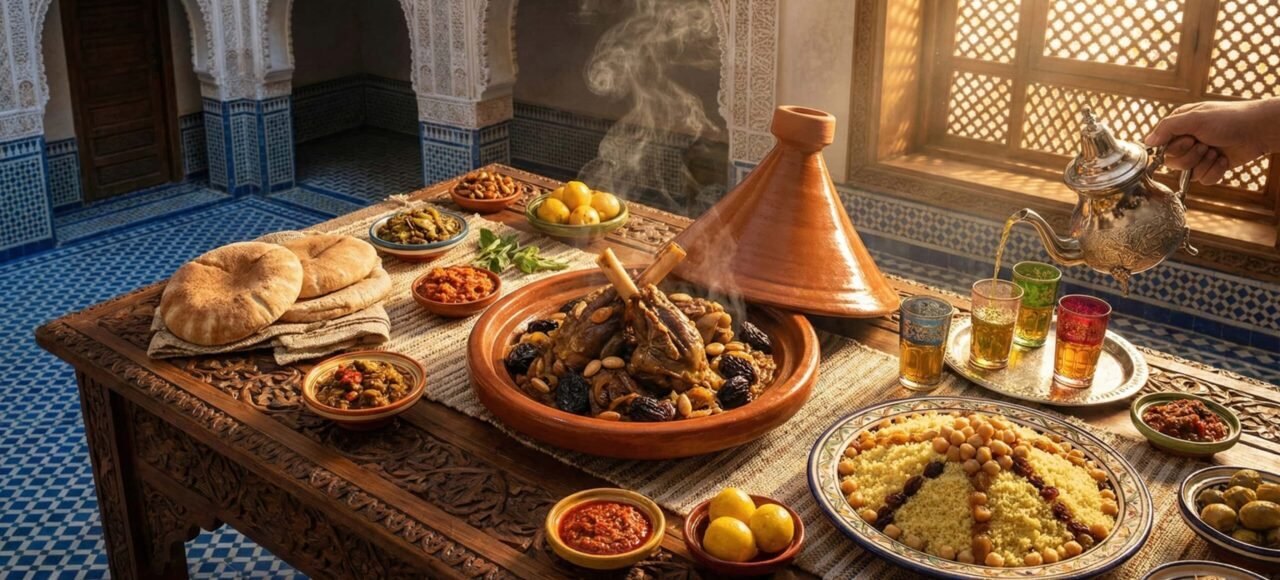
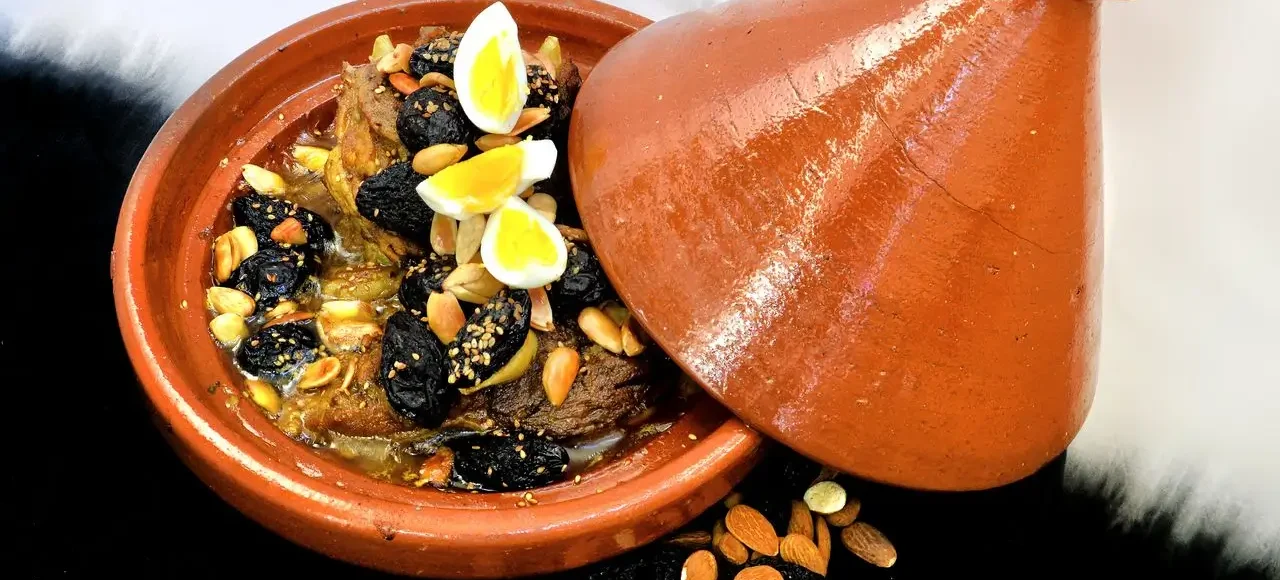
What it is: Named after the iconic conical earthenware pot it is slow-cooked in, the tagine is the absolute heart of Moroccan cooking. The clever design of the lid traps steam and returns condensed moisture back down onto the ingredients, creating meat that melts in your mouth and deeply infused vegetable flavors.
Top Variations: Chicken with preserved lemons and green olives, lamb with caramelized prunes and roasted almonds, or a vegetarian garden tagine loaded with seasonal roots.
How to eat it: Forget the fork! Tear off a piece of warm, crusty Moroccan bread (Khobz) and use it to scoop up the tender meat and rich sauce.
What it is: Steam-cooked semolina grains that are light, fluffy, and butter-soft, traditionally piled high with tender beef, lamb, or chicken, and crowned with a colorful medley of “seven vegetables” (such as carrots, pumpkin, zucchini, cabbage, and turnips) along with chickpeas and sweet caramelized onions (Tfaya).
Cultural Significance: In Morocco, couscous is much more than a dish—it is a weekly family ritual traditionally prepared and shared together after Friday midday prayers.

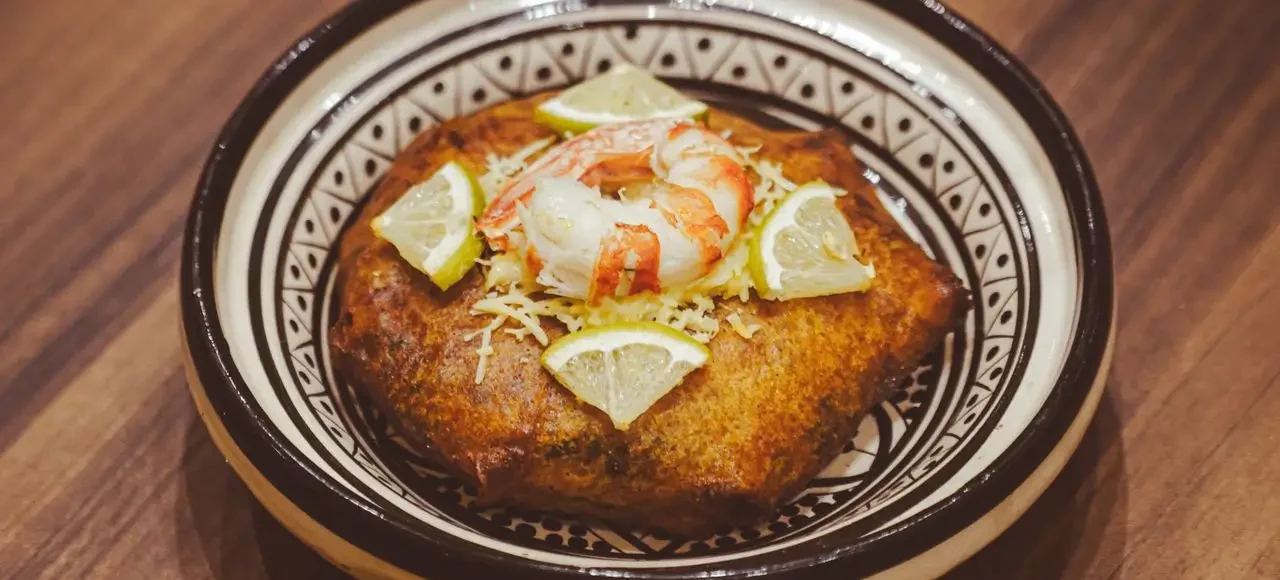
What it is: A culinary marvel originating from the Andalusian-Moorish heritage of Fes. It features layers of paper-thin, crispy pastry (Warka) encasing a rich filling of spiced slow-cooked chicken (or traditional squab/pigeon), toasted almonds, aromatic cinnamon, and a delicate dusting of powdered sugar.
The Experience: Every bite delivers an exquisite contrast: crispy exterior, buttery layers, savory spiced meat, and a touch of sweetness. (Seafood pastilla, featuring fish, calamari, and shrimp spiced with chermoula, is also a popular coastal variation).
What it is: A thick, deeply nourishing soup made with a rich tomato base, lentils, chickpeas, fragrant herbs (cilantro and parsley), celery, and fine vermicelli noodles, all thickened slightly with a flour-and-water paste (Tadwiria).
When to enjoy: While it is globally famous as the traditional soup served every evening to break the fast during Ramadan, Moroccans enjoy it year-round as a comforting starter or a light evening meal accompanied by dates and honeyed sweets.

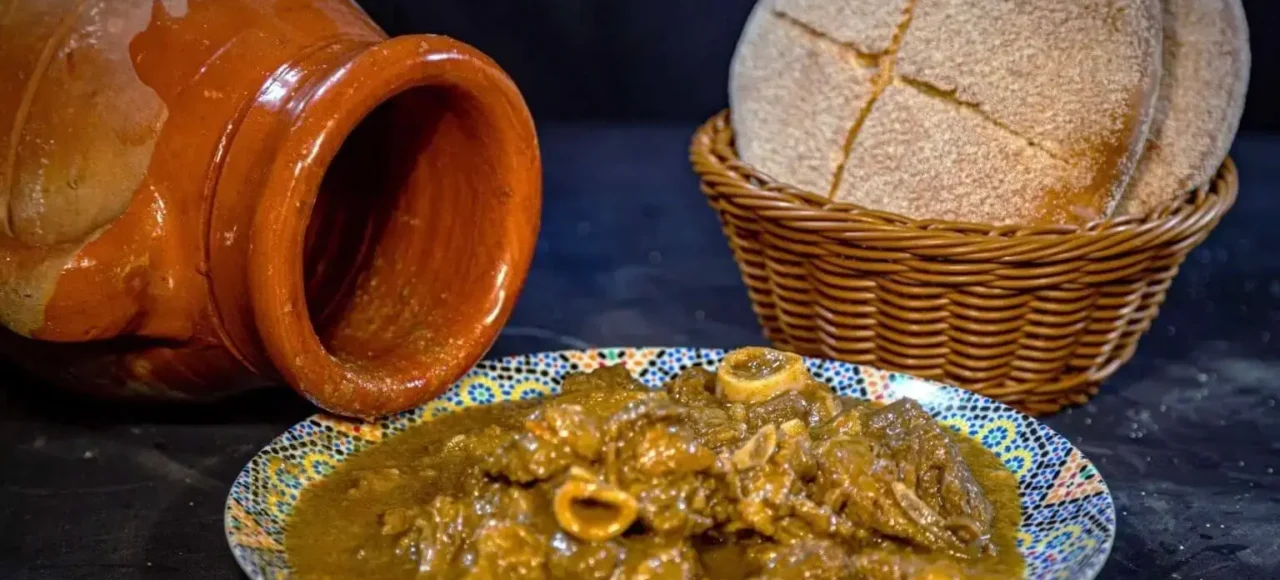
What it is: The legendary specialty of Marrakech. Chunks of beef or lamb are seasoned generously with garlic, saffron, cumin, preserved lemon, and a generous splash of local olive oil, then packed tightly into a clay amphora-like urn and sealed with parchment paper.
How it’s cooked: Traditionally, local butchers would send the tanjia down to the fiery ashes of the neighborhood bathhouse (Farnatchi), where it slow-cooks for hours until the meat becomes unbelievably tender and rich.
What it is: A deeply comforting dish composed of shredded flatbread (Msemen or Trid) soaked in a rich, aromatic broth flavored with fenugreek seeds, lentils, chicken, and a complex spice blend known as Ras el Hanout.
Cultural Value: Rfissa is traditionally prepared to welcome new mothers for its restorative, nutrient-dense qualities, as well as served during weddings and major family celebrations.

What it is: Whole lamb or goat slow-roasted in deep underground pit ovens lined with hot wood embers until the meat is so tender it falls off the bone with a gentle touch.
The Experience: It is served simply, accompanied by a small dish of cumin and sea salt for dipping. The smoky flavor and crispy outer skin make it an absolute feast for meat lovers.
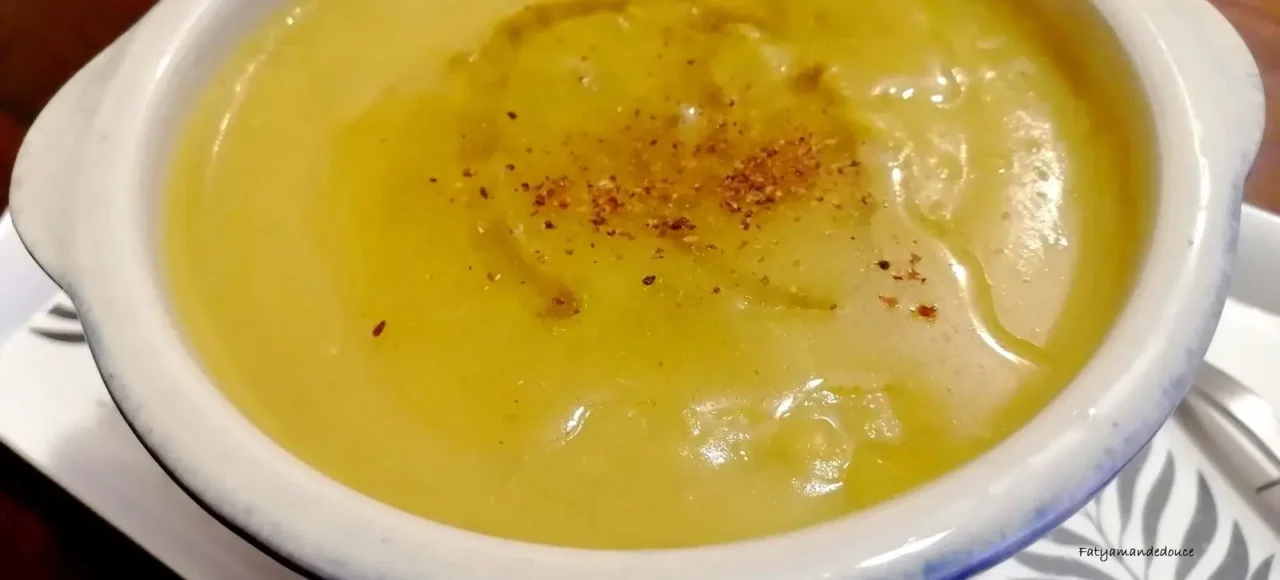
What it is: A rich, velvety purée made from dried split fava beans or split peas, simmered with garlic and spices until it reaches a smooth, comforting consistency.
How to eat it: Served piping hot in shallow bowls, generously drizzled with high-quality extra virgin olive oil, a heavy dusting of cumin, and a sprinkle of chili flakes. It is a beloved, budget-friendly breakfast and winter staple across local medinas.
What it is: Morocco is one of the world’s leading exporters of fresh sardines. Street vendors expertly stuff fresh sardines with Chermoula (a vibrant paste of garlic, coriander, cumin, paprika, and lemon), flour-coat them, and fry them to golden crispness. They are paired alongside Maakouda—golden, crispy potato fritters seasoned with turmeric and herbs.
Where to find them: Best enjoyed fresh from bustling local frying stalls in coastal cities like Essaouira or inner markets.

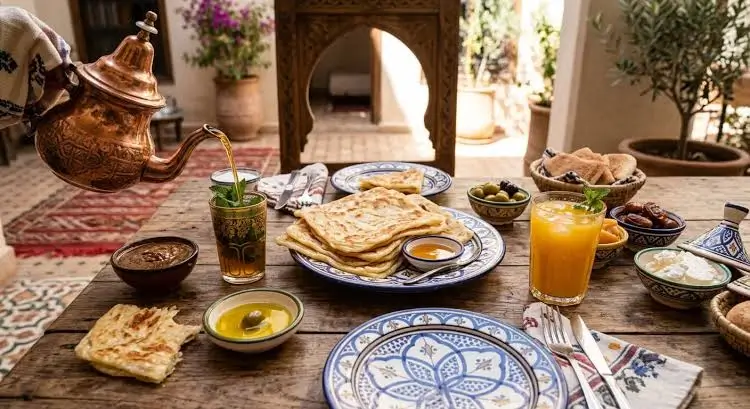
What it is: A gorgeous morning spread featuring Msemen (flaky, square laminated flatbreads), Baghrir (spongy, “thousand-hole” semolina crumpets), and Harcha (pan-fried buttery semolina bread).
Accompaniments: Slathered in butter, local honey, farm-fresh cheese, or Amlou (a rich, energy-boosting paste made of roasted almonds, argan oil, and honey), all washed down with steaming, fresh Moroccan mint tea (Atay).
Exploring Morocco’s street food stalls and bustling night markets—like Jemaa el-Fnaa in Marrakech or the ancient alleyways of Fes—is an unforgettable sensory experience. However, to keep your stomach happy and avoid any travel hiccups, follow these essential, practical safety rules:
Why it matters: The golden rule of street food globally holds especially true in Morocco: eat where the locals queue up.
What to look for: A stall packed with local families and workers guarantees two things: high quality (locals know best!) and high turnover, meaning ingredients are fresh, constantly moving, and cooked to order rather than sitting out for hours.
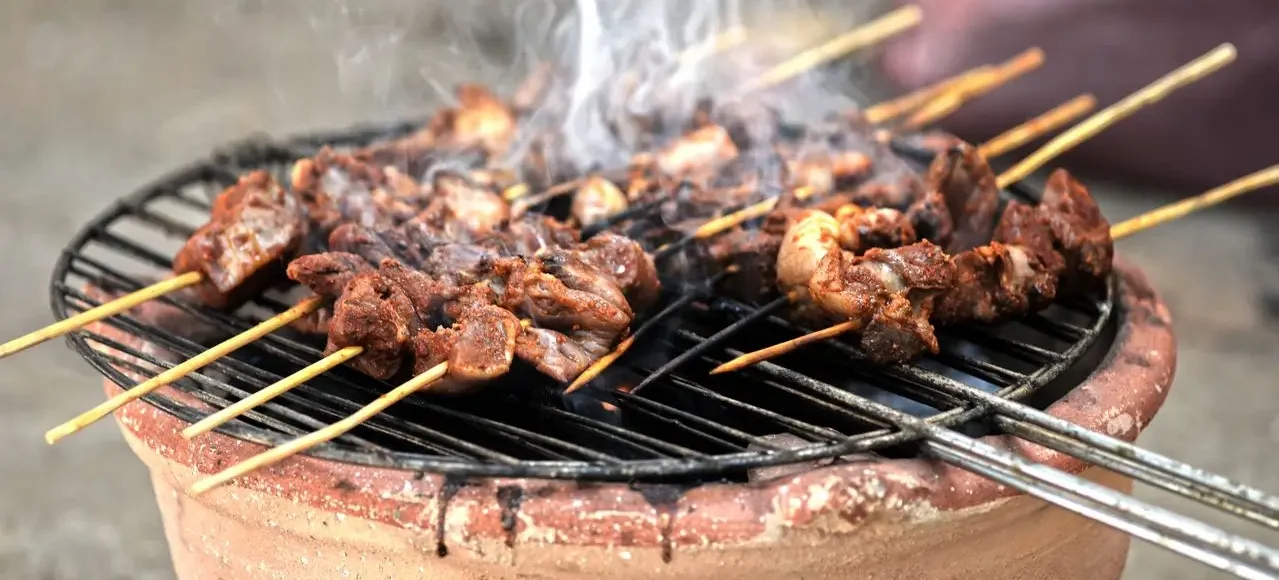
The Golden Standard: Always opt for dishes that are cooked, grilled, or fried right in front of your eyes and served piping hot.
What to avoid: Skip items that are sitting pre-cooked at room temperature, uncovered, or exposed to flies and dust. Piping hot temperatures naturally kill off harmful bacteria.
Hydration Safety: Tap water quality varies across regions; it is always safer to stick to sealed, bottled mineral water (or sparkling water like Oulmès). Ensure the bottle seal breaks in front of you.
Fresh Juices: Morocco’s fresh orange and grapefruit juices are world-famous. Make sure the vendor squeezes the fruit directly into a clean glass or a disposable cup right when you order it, and ask for “No Ice” if you have a sensitive stomach.
Cooked vs. Raw: Traditional cooked Moroccan salads like Zaalouk (cooked eggplant) or Taktouka (cooked peppers and tomatoes) are completely safe because they undergo thorough heat treatment.
Caution with Leafy Greens: Be cautious with raw leafy salads or unpeeled fruits from street stalls, as they may have been washed with unpurified tap water. Stick to fruits you can peel yourself (like oranges, bananas, and clementines).
Listen to Your Gut: Moroccan cuisine offers unique delicacies like boiled land snails in spiced broth (Babbouch), steamed sheep’s head, or spicy chitterlings.
Pace Yourself: If you have a delicate stomach, do not rush into rich or unusual dishes on your first day. Build up your digestive tolerance with comforting tagines, grilled skewers, and hot Harira before diving into adventurous street treats.
Moroccan food is far more than mere sustenance—it is an authentic expression of history, deep-rooted hospitality, and cultural pride. From gathering around a steaming communal tagine in a quiet riad to grabbing a paper cone of piping-hot Maakouda in a bustling medina, every bite tells a story of tradition.
By pairing your culinary curiosity with these simple street food safety tips, you are set for a rich, delicious, and worry-free Moroccan adventure.